
Dog Nipping at Heels
Heel nipping is a herding instinct: movement triggers the dog to circle and control it. You cannot delete the instinct, but you can redirect it onto acceptable outlets and teach an alternative behaviour.
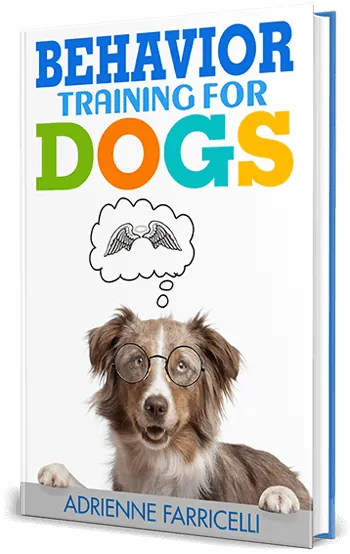
We publish this site independently and stand behind the guidance on it. It is not the official Brain Training for Dogs website, and we are not Adrienne Farricelli or her team. Some links here are affiliate links: if you buy through them we may earn a commission at no extra cost to you, and that never changes what we recommend. See our affiliate disclosure.
Quick answer
Herding breeds nip heels to move and gather things that run, including people, children, cyclists and other pets. Manage by preventing rehearsal, stop moving when nipped so motion no longer rewards it, teach the dog to run to a toy or a target instead, and give the herding drive a real job through games. Adult dogs can improve with consistent work; strong cases benefit from a reward-based behaviourist.
Why it happens
Breeds such as Border Collies, Australian Cattle Dogs (heelers), Kelpies, Corgis and Australian Shepherds were bred to control livestock by circling and, when needed, nipping at heels. In a home, running children, joggers, bikes, cars and other dogs all trigger the same hardwired sequence: eye, stalk, chase, grip. The dog is not being aggressive or dominant; it is doing the job its genes expect.
Management: stop the rehearsal
- Identify the triggers (kids running in the garden, family leaving the room, the school run) and prevent access during those moments with gates, pens or a lead.
- On walks, keep the dog on lead near cyclists, runners and traffic until you have a solid alternative behaviour.
- Ask children not to run near the dog for now, and give the dog somewhere calm to be while they play.
Change what movement means
Be a post. The instant the dog grips or lunges at your heels, stop dead and stand still. Movement is the reward, so removing it takes the fun out. Wait for the dog to disengage, then calmly carry on and reward that.
Teach "go to your toy". Keep a tug or ball by the door. When you spot the trigger building, cue the dog to grab and hold the toy, or to chase the toy that you roll. The dog gets to chase and grip something legal instead of an ankle.
Reward a settle. Practise the dog lying on a mat while people move around, paying generously. Build up from one person walking slowly to more realistic activity.
Give the drive a job
A herding dog with an unmet need to work will find its own job, and heel nipping is a common one. Channel it:
- Structured fetch with rules (sit, wait, retrieve, give).
- Flirt-pole sessions with clear start and stop cues to practise impulse control.
- Scentwork and find-it games for calm mental load.
- Trick training and shaping games.
- Where available, organised outlets such as treibball, agility, or supervised herding classes.
Our guides to impulse-control games and high-energy dog activities have specific ideas.
What not to do
Do not kick out, shout or use aversive tools. These can frighten the dog, add conflict to an already aroused state, and sometimes escalate the gripping. Punishment also does nothing to satisfy the underlying drive.
When to get help
See a reward-based behaviourist if the dog draws blood, targets a specific family member relentlessly, chases and grips cars or bikes on the road (a safety risk), or does not improve with consistent management and redirection over several weeks.
Want the games mapped out for you?
Brain Training for Dogs organises reward-based mental exercises and obedience training into difficulty levels, with troubleshooting for each step. Check the current offer for format, contents and guarantee terms.
Affiliate link. We may earn a commission at no additional cost to you.
FAQ
Related guides
- Impulse control games for dogs
- High-energy dog activities
- Puppy biting hands and feet
- How to stop dog lunging
References
- Scott JP, Fuller JL (1965). Genetics and the Social Behavior of the Dog. University of Chicago Press.
- Kutsumi A, Nagasawa M, Ohta M, Ohtani N (2013). Importance of puppy training for future behavior of the dog. Journal of Veterinary Medical Science 75(2), 141–149. View source
- González-Martínez Á, Martínez MF, Rosado B, et al. (2019). Association between puppy classes and adulthood behavior of the dog. Journal of Veterinary Behavior 32, 36–41. View source
- Reisner IR, Shofer FS, Nance ML (2007). Behavioral assessment of child-directed canine aggression. Injury Prevention 13(5), 348–351.
- Appleby DL, Bradshaw JWS, Casey RA (2002). Relationship between aggressive and avoidance behaviour by dogs and their experience in the first six months of life. Veterinary Record 150(14), 434–438.
- Serpell J, Jagoe JA (1995). Early experience and the development of behaviour. In: Serpell J (ed.) The Domestic Dog: Its Evolution, Behaviour and Interactions with People. Cambridge University Press.
- American Veterinary Society of Animal Behavior (2008). Position Statement on Puppy Socialization. View source
- American Academy of Pediatrics / American Veterinary Medical Association. Dog bite prevention: guidance for families with children. View source
- Ziv G (2017). The effects of using aversive training methods in dogs: a review. Journal of Veterinary Behavior 19, 50–60.
- Vieira de Castro AC, Fuchs D, Morello GM, Pastur S, de Sousa L, Olsson IAS (2020). Does training method matter? Evidence for the negative impact of aversive-based methods on companion dog welfare. PLOS ONE 15(12), e0225023.
- Herron ME, Shofer FS, Reisner IR (2009). Survey of the use and outcome of confrontational and non-confrontational training methods in client-owned dogs showing undesired behaviors. Applied Animal Behaviour Science 117, 47–54.
- American Veterinary Society of Animal Behavior (2021). Position Statement on Humane Dog Training. View source
These references describe dogs and training in general. They are not evidence about any specific commercial program. This page is general information, not a substitute for individualised veterinary or behaviour advice. Last reviewed: 30 August 2026.