
Dog Separation Anxiety
Separation-related distress is genuine panic at being left alone, not misbehaviour or spite. It is treatable, but it needs a gradual plan and usually professional support.
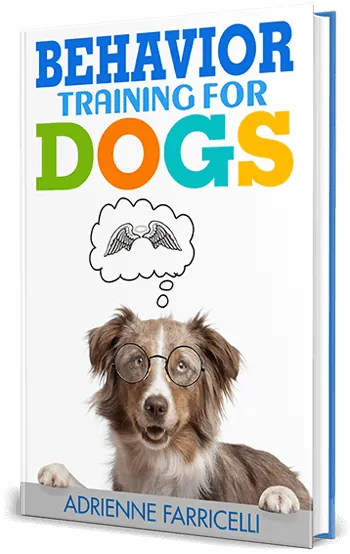
We publish this site independently and stand behind the guidance on it. It is not the official Brain Training for Dogs website, and we are not Adrienne Farricelli or her team. Some links here are affiliate links: if you buy through them we may earn a commission at no extra cost to you, and that never changes what we recommend. See our affiliate disclosure.
Quick answer
Signs include barking, howling, pacing, drooling, destruction near exits, toileting indoors, and not eating when alone, starting soon after you leave. Confirm with a camera. See your vet to rule out medical causes, then work with a reward-based behaviourist on graduated absence training, keeping the dog under its panic threshold. Avoid punishment and avoid forcing long absences while you train.
Recognising it
Separation-related problems typically show within the first 15 to 30 minutes after departure and can include:
- Vocalising: barking, howling, whining.
- Pacing, circling, or an inability to settle.
- Drooling, panting, trembling.
- Destruction, often focused on doors, windows and exit points.
- Toileting indoors despite being house trained.
- Refusing food or a favourite chew while alone.
- Over-attachment: following you room to room, distress as you prepare to leave.
Set up a phone or camera to record a typical absence. This confirms whether it is distress or something else, such as boredom or a noise phobia, and gives you a baseline.
First steps
- Vet check. Pain, gastrointestinal issues, incontinence and cognitive decline can mimic or worsen separation problems.
- Stop or minimise alone time above threshold while you train. Use family, friends, a sitter, daycare or working from home where possible. Every panicked absence sets progress back.
- Get professional help. A qualified, reward-based behaviourist (ideally one who focuses on separation anxiety) will build a plan tailored to your dog. Your vet can refer to a veterinary behaviourist, who can also advise whether anti-anxiety medication would help alongside training.
How training works
The core method is graduated desensitisation: you practise very short absences that stay below the level that triggers panic, often starting with just stepping outside the door for seconds, and increase duration in small, flexible steps based on the dog staying relaxed. Progress is monitored on camera. It is slow and non-linear, but it is the approach with the best evidence.
Supporting measures:
- Make departures and returns calm and low-key.
- Provide a predictable daily routine, exercise and sniffing, and enrichment.
- Some dogs are helped by a safe space, background sound, or an item with your scent; others are not, so follow what the camera shows.
- Food puzzles can help mildly affected dogs but a truly panicked dog will not eat, so they are not a test or a fix on their own.
What not to do
- Do not punish any mess, damage or noise. The dog was panicking, and punishment on your return increases anxiety about departures.
- Do not use anti-bark or shock devices.
- Do not flood the dog by leaving it alone for long periods hoping it will get used to it. This usually makes things worse.
- Getting a second dog does not reliably resolve distress that is about missing you specifically.
Outlook
Many dogs improve significantly with a structured, reward-based plan and, where appropriate, medication. It takes weeks to months and consistency, but it is one of the more treatable serious behaviour problems when tackled properly.
Want the games mapped out for you?
Brain Training for Dogs organises reward-based mental exercises and obedience training into difficulty levels, with troubleshooting for each step. Check the current offer for format, contents and guarantee terms.
Affiliate link. We may earn a commission at no additional cost to you.
FAQ
Related guides
- Mental stimulation for dogs home alone
- Dog destroys the house when alone
- How to stop dog howling
- Dog behaviour problems
References
- Sherman BL, Mills DS (2008). Canine anxieties and phobias: an update on separation anxiety and noise aversions. Veterinary Clinics of North America: Small Animal Practice 38(5), 1081–1106.
- Ogata N (2016). Separation anxiety in dogs: what progress has been made in our understanding of the most common behavioral problems in dogs? Journal of Veterinary Behavior 16, 28–35.
- Sargisson RJ (2014). Canine separation anxiety: strategies for treatment and management. Veterinary Medicine: Research and Reports 5, 143–151.
- de Assis LS, Matos R, Pike TW, Burman OHP, Mills DS (2020). Developing diagnostic frameworks in veterinary behavioral medicine: disambiguating separation-related problems in dogs. Frontiers in Veterinary Science 6, 499.
- Flannigan G, Dodman NH (2001). Risk factors and behaviors associated with separation anxiety in dogs. Journal of the American Veterinary Medical Association 219(4), 460–466.
- Storengen LM, Lingaas F (2015). Noise sensitivity in 17 dog breeds: prevalence, breed risk and correlation with fear in other situations. Applied Animal Behaviour Science 171, 152–160.
- Kis A, Szakadát S, Gácsi M, et al. (2017). The interrelated effect of sleep and learning in dogs (Canis familiaris): an EEG and behavioural study. Scientific Reports 7, 41873.
- American Veterinary Society of Animal Behavior (2021). Position Statement on Humane Dog Training. View source
These references describe dogs and training in general. They are not evidence about any specific commercial program. This page is general information, not a substitute for individualised veterinary or behaviour advice. Last reviewed: 30 August 2026.