
Multi-Dog Households
Most multi-dog conflict comes down to a handful of predictable triggers: a rushed introduction, resources, and uneven attention. This guide covers introducing a new dog, preventing resource guarding, and keeping the peace day to day.
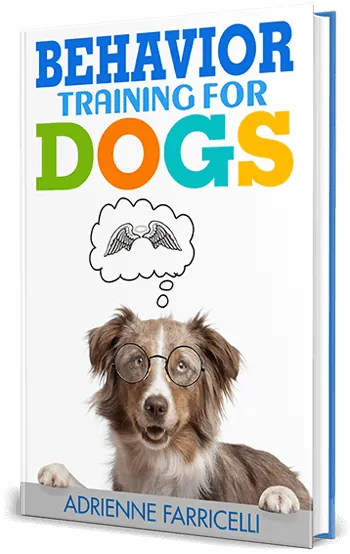
We publish this site independently and stand behind the guidance on it. It is not the official Brain Training for Dogs website, and we are not Adrienne Farricelli or her team. Some links here are affiliate links: if you buy through them we may earn a commission at no extra cost to you, and that never changes what we recommend. See our affiliate disclosure.
Quick answer
Successful multi-dog households usually come down to three things: a slow, neutral-territory introduction instead of throwing dogs together, management of resources (food, toys, resting spots, your attention) so dogs do not have to compete for them, and enough one-on-one time that neither dog feels like they only get you as a shared resource. Resource guarding between dogs is normal to a degree; it becomes a problem only when it escalates past a growl or a stiffened body into repeated physical conflict.
Introducing a new dog to the dogs you have
Start on neutral territory, a park or a street, not your current dog’s home or yard, where they may feel more need to defend. Use loose leashes and a separate handler for each dog, keep the first session short, and watch body language rather than waiting for an obvious reaction: a stiff body, hard stare, raised hackles or a tucked tail are all signs to add distance before things escalate. A good introduction is often several short, calm sessions over days or weeks rather than one long meeting, with home introductions, starting in a neutral room with gates or leashes available, coming only once outdoor meetings go consistently well.
Managing resources
Most multi-dog conflict centres on resources: food, high-value chews, toys, favourite resting spots, doorways, and your attention. Feed separately, in different rooms, crates, or at least with real distance between bowls, until you are confident neither dog guards food, and pick bowls up once everyone has finished. Rotate high-value chews and toys rather than leaving them out permanently for dogs to compete over, and give each dog their own bed or resting area they are not expected to share.
Giving each dog individual attention
Dogs that only ever get walked, trained or played with as a pair can start treating your attention itself as a limited resource worth competing for. Build in time with each dog alone, even ten minutes of one-on-one training or a solo walk, so attention does not become another trigger on top of food and toys.
Reading normal friction vs. a real problem
A growl, a stiffened posture, or a brief scuffle that resolves the moment one dog backs off is normal communication, not a crisis, dogs use these signals to avoid actual fights. Treat it differently if conflicts involve sustained fighting, injury, increasing frequency, or either dog beginning to avoid the other out of apparent fear. That pattern, especially a sudden shift after a long settled period, is worth a vet check first, since pain, sensory decline or cognitive changes in an older dog can all change how calmly they handle a housemate, followed by a certified, reward-based trainer or behaviourist if the pattern continues.
Factors that raise or lower the odds
- Sex pairing: mixed-sex pairs tend to have a somewhat lower statistical risk of serious conflict than two same-sex dogs, particularly two intact males or two adult females, though individual temperament matters more than this general pattern.
- Life stage mismatch: a boisterous puppy paired with a senior dog needs managed, supervised time apart as well as together, not just mediation during conflicts.
- Unknown history: a newly adopted dog with an unknown background should be introduced more cautiously and given more time before full off-leash access, see our rescue dogs with an unknown background guide.
Structure helps more than one dog at once
Brain Training for Dogs organises reward-based mental exercises and obedience training into levels, with troubleshooting for each step, useful for building individual focus and impulse control in a household with more than one dog to manage.
Affiliate link. We may earn a commission at no additional cost to you.
FAQ
Related guides
- Rescue dogs with an unknown background
- Socializing a dog
- Dog behaviour problems
- Positive reinforcement dog training
References
- American Veterinary Society of Animal Behavior (2021). Position Statement on Humane Dog Training. View source
Guidance here reflects widely shared professional consensus among reward-based trainers and behaviourists on multi-dog management rather than a single study. This page is general information, not a substitute for an in-person assessment if conflict between your dogs involves real fighting or injury. Last reviewed: 7 October 2026.