
Dog training rewards
Rewards are the engine of reward-based training. Choosing the right one for the moment, and knowing how to fade them, is what separates a dog that works reliably from one that only works with food in view.
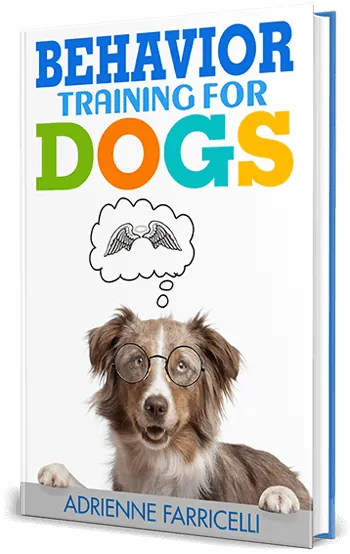
We publish this site independently and stand behind the guidance on it. It is not the official Brain Training for Dogs website, and we are not Adrienne Farricelli or her team. Some links here are affiliate links: if you buy through them we may earn a commission at no extra cost to you, and that never changes what we recommend. See our affiliate disclosure.
Quick answer
Use a range of food rewards sorted by value (everyday kibble up to roast chicken), and match the value to the difficulty: low-value for easy home reps, high-value for hard, distracting situations. Add play and life rewards (sniffs, greetings, doors opening). Once a behaviour is fluent, reward intermittently and lean more on life rewards. Weigh food out of the daily ration.
Build a reward hierarchy
| Tier | Examples | Use for |
|---|---|---|
| Everyday | Kibble, dog biscuits | Easy reps at home, low distraction |
| Good | Soft training treats, cheese cubes | New behaviours, mild distraction |
| High-value | Chicken, sausage, liver, cooked meat | Recall around distractions, reactivity work, the vet, hard environments |
Match the reward to the difficulty. Asking a dog to recall past a squirrel for a dry biscuit is a losing trade.
Non-food rewards
- Play: a quick tug or a thrown toy, for dogs that value it
- Praise and touch: genuine, warm, and only if the dog actually likes it
- Life rewards: being released to sniff, greet a person, go through a door, get out of the car: use the thing the dog wants as the payment for a behaviour you want first
Reward placement
Deliver the reward where you want the dog to be: on the mat for a settle, at your trouser seam for heel, low on the floor for calm, at your legs for recall. Placement teaches position as much as the mark does.
Reinforcement schedules
- While teaching: reward every correct rep (continuous)
- Once fluent: reward some reps unpredictably (variable), keeping occasional jackpots, which actually makes the behaviour more durable
- Keep the average rate high early on; thin it slowly
Fading treats
- Get the behaviour fluent first: do not thin rewards while it is shaky
- Move to variable rewards
- Bring in life rewards for everyday behaviours
- Keep paying well for the hard stuff (recall away from real distractions) for life
A dog that "only works for food" has usually been lured every time without the lure ever being faded, or is being paid too little for the difficulty.
Treats and weight
Training treats count as food. Use small pieces, subtract them from meals, and favour lean options. A dog can earn most of a meal through training on a busy day.
Want the games mapped out for you?
Brain Training for Dogs organises reward-based mental exercises and obedience training into difficulty levels, with troubleshooting for each step. Check the current offer for format, contents and guarantee terms.
Affiliate link. We may earn a commission at no additional cost to you.
FAQ
Related guides
- Positive reinforcement dog training
- What is positive reinforcement dog training
- Positive reinforcement examples
- Obedience training for dogs
- Dog training without punishment
References
- Ziv G (2017). The effects of using aversive training methods in dogs: a review. Journal of Veterinary Behavior 19, 50–60.
- Vieira de Castro AC, Fuchs D, Morello GM, Pastur S, de Sousa L, Olsson IAS (2020). Does training method matter? Evidence for the negative impact of aversive-based methods on companion dog welfare. PLOS ONE 15(12), e0225023.
- China L, Mills DS, Cooper JJ (2020). Efficacy of dog training with and without remote electronic collars vs. a focus on positive reinforcement. Frontiers in Veterinary Science 7, 508.
- China L, Mills DS, Cooper JJ (2023). Reevaluating the effectiveness of electronic shock collars: prevalence of adverse effects and comparison with positive reinforcement. PLOS ONE.
- Herron ME, Shofer FS, Reisner IR (2009). Survey of the use and outcome of confrontational and non-confrontational training methods in client-owned dogs showing undesired behaviors. Applied Animal Behaviour Science 117, 47–54.
- Hiby EF, Rooney NJ, Bradshaw JWS (2004). Dog training methods: their use, effectiveness and interaction with behaviour and welfare. Animal Welfare 13, 63–69.
- Blackwell EJ, Twells C, Seawright A, Casey RA (2008). The relationship between training methods and the occurrence of behavior problems, as reported by owners, in a population of domestic dogs. Journal of Veterinary Behavior 3, 207–217.
- Rooney NJ, Cowan S (2011). Training methods and owner–dog interaction: links with dog behaviour and learning ability. Applied Animal Behaviour Science 132, 169–177.
- Deldalle S, Gaunet F (2014). Effects of 2 training methods on stress-related behaviors of the dog and on the dog–owner relationship. Journal of Veterinary Behavior 9, 58–65.
- Arhant C, Bubna-Littitz H, Bartels A, Futschik A, Troxler J (2010). Behaviour of smaller and larger dogs: effects of training methods, inconsistency of owner behaviour and level of engagement in activities with the dog. Applied Animal Behaviour Science 123, 131–142.
- Fernandes JG, Olsson IAS, Vieira de Castro AC (2017). Do aversive-based training methods actually compromise dog welfare?: a literature review. Applied Animal Behaviour Science 196, 1–12.
- Casey RA, Loftus B, Bolster C, Richards GJ, Blackwell EJ (2014). Human-directed aggression in domestic dogs: occurrence in different contexts and risk factors. Applied Animal Behaviour Science 152, 52–63.
- American Veterinary Society of Animal Behavior (2021). Position Statement on Humane Dog Training. View source
- American Veterinary Society of Animal Behavior. Position Statement on the Use of Punishment for Behavior Modification in Animals. View source
- American Animal Hospital Association (2015). Canine and Feline Behavior Management Guidelines. View source
- WSAVA Animal Wellness and Welfare Committee (2018). Global Welfare Guidelines for companion animal practitioners. Journal of Small Animal Practice.
These references describe dogs and training in general. They are not evidence about any specific commercial program. This page is general information, not a substitute for individualised veterinary or behaviour advice. Last reviewed: 30 August 2026.