
How to Stop Puppy Biting and Nipping
Almost every puppy bites and mouths hands, sleeves and ankles. It is normal play and teething behaviour, not aggression, and it fades fastest when you redirect it consistently rather than punish it.
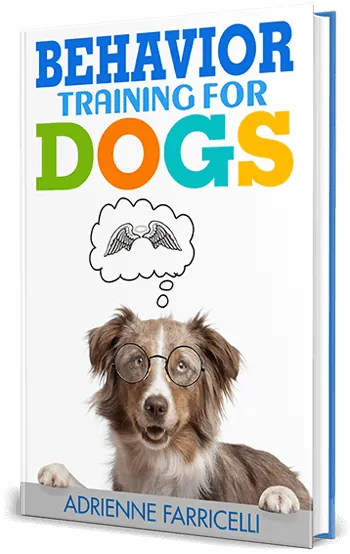
We publish this site independently and stand behind the guidance on it. It is not the official Brain Training for Dogs website, and we are not Adrienne Farricelli or her team. Some links here are affiliate links: if you buy through them we may earn a commission at no extra cost to you, and that never changes what we recommend. See our affiliate disclosure.
Quick answer
Puppies bite because they explore with their mouths and are learning to control their jaws. Redirect every bite onto a toy, reward calm mouth-free contact, end play the moment teeth touch skin, and make sure the puppy has enough sleep, chewing outlets and gentle exercise. Most puppies bite far less by four to five months and stop as adult teeth settle in.
Why puppies bite
Biting and mouthing are how puppies investigate the world, play with littermates and soothe sore gums while teething. A puppy that grabs your hand is usually doing exactly what it did with its siblings a few weeks earlier. It is not trying to dominate you and it is not being aggressive. Your job is to teach it that human skin is delicate and that games continue only when teeth stay off people.
Biting tends to spike when a puppy is overtired, overstimulated, hungry or under-exercised. Many owners see the worst nipping in the early evening, often called the witching hour. Recognising these triggers lets you prevent most bites instead of reacting to them.
The core plan
1. Always have a toy ready
Keep soft tug toys and chews in every room and in your pocket. When the puppy moves toward your hand, offer the toy first so it connects with the toy rather than skin. Praise warmly when it grabs the toy and keep the game going.
2. Mark and reward a calm mouth
Several times a day, stroke the puppy gently and feed a small treat while its mouth stays soft and closed. You are paying for the behaviour you want: contact without teeth. Short, frequent repetitions work better than one long session.
3. End the game when teeth touch skin
The instant you feel teeth, say a quiet marker such as "oops", stand up, and stop interacting for five to ten seconds. Step behind a baby gate if needed. This mirrors how a littermate would end play. Return calmly and offer a toy so the puppy can try again and get it right.
4. Protect sleep
Young puppies need around 18 to 20 hours of sleep a day. An overtired puppy bites harder and listens less. Build in scheduled naps in a pen or crate, and treat sudden frantic biting as a cue that it is nap time, not play time.
5. Meet the chewing need
Offer appropriate chews, a stuffed and frozen rubber toy, a snuffle mat and short training games. A puppy with enough to chew and enough to think about has less reason to chew you. Our guide to stopping destructive chewing covers safe chew choices.
What to avoid
- Do not smack, hold the muzzle shut, pin the puppy or shout. These can frighten a puppy, damage trust and sometimes increase biting or create real fear responses.
- Do not wave hands or feet to tease. Fast-moving limbs invite chasing and grabbing.
- Do not rely on bitter sprays alone. They may help protect furniture but they do not teach the puppy what to do instead.
- Do not expect an instant fix. You are changing a reflex through hundreds of small repetitions over weeks.
A realistic timeline
With consistent redirection, most families see a clear drop in biting within two to three weeks and a big improvement by four to five months of age, once adult teeth are through and impulse control develops. Progress is rarely linear: teething flare-ups and exciting days will bring some bites back. Keep the plan steady.
When to get help
Contact your vet or a qualified, reward-based behaviourist if biting is paired with stiff body language, growling that escalates, hard bites that break skin repeatedly, guarding of food or objects, or if you feel unsafe with the puppy. These are less common but worth a professional assessment. See telling play from aggression.
Where structured games help
Impulse-control and focus games give a mouthy puppy a job and teach it to think before it grabs. Programmes such as Brain Training for Dogs organise these games into steps. They are a supplement to the management plan above, not a replacement for it.
Want the games mapped out for you?
Brain Training for Dogs organises reward-based mental exercises and obedience training into difficulty levels, with troubleshooting for each step. Check the current offer for format, contents and guarantee terms.
Affiliate link. We may earn a commission at no additional cost to you.
FAQ
Related guides
- Tell puppy play from aggression
- Puppy biting hands and feet
- Teach bite inhibition
- When do puppies stop biting?
- Stop destructive chewing
- Mental stimulation for puppies
References
- Scott JP, Fuller JL (1965). Genetics and the Social Behavior of the Dog. University of Chicago Press.
- Kutsumi A, Nagasawa M, Ohta M, Ohtani N (2013). Importance of puppy training for future behavior of the dog. Journal of Veterinary Medical Science 75(2), 141–149. View source
- González-Martínez Á, Martínez MF, Rosado B, et al. (2019). Association between puppy classes and adulthood behavior of the dog. Journal of Veterinary Behavior 32, 36–41. View source
- Reisner IR, Shofer FS, Nance ML (2007). Behavioral assessment of child-directed canine aggression. Injury Prevention 13(5), 348–351.
- Appleby DL, Bradshaw JWS, Casey RA (2002). Relationship between aggressive and avoidance behaviour by dogs and their experience in the first six months of life. Veterinary Record 150(14), 434–438.
- Serpell J, Jagoe JA (1995). Early experience and the development of behaviour. In: Serpell J (ed.) The Domestic Dog: Its Evolution, Behaviour and Interactions with People. Cambridge University Press.
- American Veterinary Society of Animal Behavior (2008). Position Statement on Puppy Socialization. View source
- American Academy of Pediatrics / American Veterinary Medical Association. Dog bite prevention: guidance for families with children. View source
- Ziv G (2017). The effects of using aversive training methods in dogs: a review. Journal of Veterinary Behavior 19, 50–60.
- Vieira de Castro AC, Fuchs D, Morello GM, Pastur S, de Sousa L, Olsson IAS (2020). Does training method matter? Evidence for the negative impact of aversive-based methods on companion dog welfare. PLOS ONE 15(12), e0225023.
- Herron ME, Shofer FS, Reisner IR (2009). Survey of the use and outcome of confrontational and non-confrontational training methods in client-owned dogs showing undesired behaviors. Applied Animal Behaviour Science 117, 47–54.
- American Veterinary Society of Animal Behavior (2021). Position Statement on Humane Dog Training. View source
These references describe dogs and training in general. They are not evidence about any specific commercial program. This page is general information, not a substitute for individualised veterinary or behaviour advice. Last reviewed: 30 August 2026.