
Is My Puppy Aggressive, or Just Playing?
Most scary-looking puppy behaviour is normal play or over-arousal. A smaller number of signs genuinely warrant a professional assessment. Knowing the difference matters.
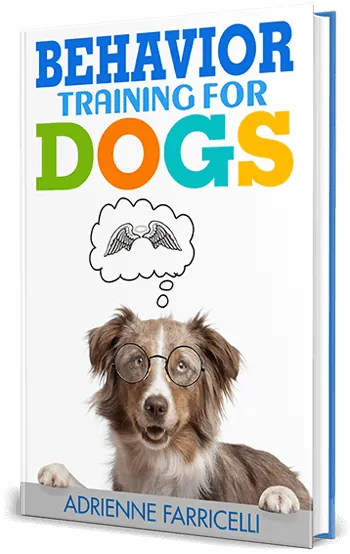
We publish this site independently and stand behind the guidance on it. It is not the official Brain Training for Dogs website, and we are not Adrienne Farricelli or her team. Some links here are affiliate links: if you buy through them we may earn a commission at no extra cost to you, and that never changes what we recommend. See our affiliate disclosure.
Quick answer
Play looks loose, bouncy and switches roles: the puppy chases then is chased, bites then rolls over. Warning signs worth a professional assessment include a stiff, frozen body, hard staring, a low growl that builds rather than the chattery play growl, snapping when approached near food or toys, and bites that repeatedly break skin. If you see those, contact your vet and a qualified reward-based behaviourist.
What normal puppy play looks like
- Loose, wiggly, bouncy body; exaggerated movements.
- Play bows (front down, bottom up) and frequent role reversal.
- Open, relaxed mouth; a high, chattery, on-and-off growl.
- Pauses that the puppy recovers from quickly.
- Mouthing without sustained pressure, easing when you go still.
Rough, noisy and toothy does not equal aggressive. Puppies play like this with littermates. It needs redirecting so skin stays safe, but it is not a behavioural red flag on its own.
Signs that deserve a professional assessment
- Stillness and stiffness: the puppy freezes, body hard, weight forward, before or during the bite.
- Hard stare with a closed, tense mouth.
- A low growl that steadily builds and holds, especially over food, chews, toys, or a resting spot.
- Snapping or biting when someone approaches the food bowl, a stolen item, or the puppy's bed.
- Bites that repeatedly puncture or break skin rather than the pressure easing over weeks.
- Lunging, snarling or air-snapping at specific triggers such as being picked up, handled, or having collar grabbed, that gets worse not better.
- No off switch: the puppy cannot de-escalate even when everyone goes calm and still.
One mild sign in isolation is not a diagnosis. A cluster of them, or any of them intensifying over time, is your cue to get help early while the puppy is young and behaviour is most changeable.
Resource guarding
Guarding food, chews, toys or spaces is relatively common and very treatable when caught early, but it is not something to correct with confrontation. Do not take things off the puppy to prove a point; that teaches it that people near its stuff are a threat. Trade for something better, feed in peace, and get a reward-based behaviourist to guide a desensitisation plan.
What to do while you wait for help
- Manage triggers: do not put the puppy in situations that produce the behaviour.
- Stop all physical punishment, alpha rolls and confrontational advice. These raise the risk of a defensive bite and worsen fear-based aggression.
- Keep a diary: what happened, when, who was there, what came before and after.
- Protect children with gates and supervision.
- See your vet first to rule out pain, which is a common hidden driver.
Why early help pays off
Genuine aggression in a young puppy is uncommon, but when it is present, the best outcomes come from acting quickly with qualified, humane help rather than hoping the puppy grows out of it. A reward-based behaviourist can assess in person and build a safe plan.
Want the games mapped out for you?
Brain Training for Dogs organises reward-based mental exercises and obedience training into difficulty levels, with troubleshooting for each step. Check the current offer for format, contents and guarantee terms.
Affiliate link. We may earn a commission at no additional cost to you.
FAQ
Related guides
- How to stop puppy biting
- Teach bite inhibition
- Dog behaviour problems
- Dog training without punishment
References
- Scott JP, Fuller JL (1965). Genetics and the Social Behavior of the Dog. University of Chicago Press.
- Kutsumi A, Nagasawa M, Ohta M, Ohtani N (2013). Importance of puppy training for future behavior of the dog. Journal of Veterinary Medical Science 75(2), 141–149. View source
- González-Martínez Á, Martínez MF, Rosado B, et al. (2019). Association between puppy classes and adulthood behavior of the dog. Journal of Veterinary Behavior 32, 36–41. View source
- Reisner IR, Shofer FS, Nance ML (2007). Behavioral assessment of child-directed canine aggression. Injury Prevention 13(5), 348–351.
- Appleby DL, Bradshaw JWS, Casey RA (2002). Relationship between aggressive and avoidance behaviour by dogs and their experience in the first six months of life. Veterinary Record 150(14), 434–438.
- Serpell J, Jagoe JA (1995). Early experience and the development of behaviour. In: Serpell J (ed.) The Domestic Dog: Its Evolution, Behaviour and Interactions with People. Cambridge University Press.
- American Veterinary Society of Animal Behavior (2008). Position Statement on Puppy Socialization. View source
- American Academy of Pediatrics / American Veterinary Medical Association. Dog bite prevention: guidance for families with children. View source
- Ziv G (2017). The effects of using aversive training methods in dogs: a review. Journal of Veterinary Behavior 19, 50–60.
- Vieira de Castro AC, Fuchs D, Morello GM, Pastur S, de Sousa L, Olsson IAS (2020). Does training method matter? Evidence for the negative impact of aversive-based methods on companion dog welfare. PLOS ONE 15(12), e0225023.
- Herron ME, Shofer FS, Reisner IR (2009). Survey of the use and outcome of confrontational and non-confrontational training methods in client-owned dogs showing undesired behaviors. Applied Animal Behaviour Science 117, 47–54.
- American Veterinary Society of Animal Behavior (2021). Position Statement on Humane Dog Training. View source
These references describe dogs and training in general. They are not evidence about any specific commercial program. This page is general information, not a substitute for individualised veterinary or behaviour advice. Last reviewed: 30 August 2026.