
When Do Puppies Stop Biting?
Most puppies bite hardest between about 8 and 16 weeks, ease off noticeably by 4 to 5 months, and stop by 6 to 7 months once adult teeth are in and self-control matures.
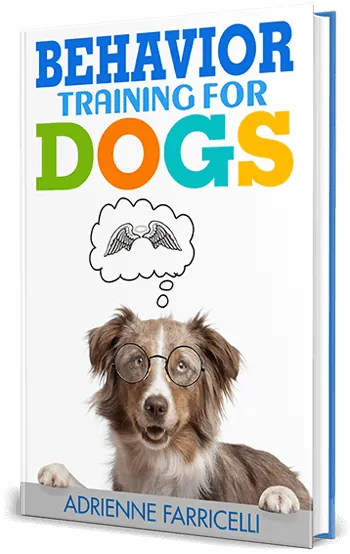
We publish this site independently and stand behind the guidance on it. It is not the official Brain Training for Dogs website, and we are not Adrienne Farricelli or her team. Some links here are affiliate links: if you buy through them we may earn a commission at no extra cost to you, and that never changes what we recommend. See our affiliate disclosure.
Quick answer
Biting peaks during teething, roughly 12 to 20 weeks, then declines. By four to five months most puppies bite much less, and by six to seven months it usually stops apart from occasional over-excited moments. Consistent redirection and enough sleep and chewing can move that timeline earlier; inconsistent responses push it later.
Age-by-age timeline
8 to 12 weeks
Frequent, uninhibited mouthing. The puppy has just left its litter and is still learning that human skin is fragile. Expect a lot of it, especially when tired or excited. Focus on redirection to toys and protecting sleep.
12 to 20 weeks
Teething. Adult teeth push through and gums are sore, so chewing and mouthing increase. Bites can feel sharper because of needle-like puppy teeth being replaced. Offer cool or frozen chews and keep the redirection plan steady.
4 to 5 months
Most families see a clear turning point. Biting becomes less frequent and less hard as the bite-inhibition lessons take hold and the puppy sleeps a little less chaotically.
6 to 7 months
Biting usually stops as a daily problem. Adult teeth are settled and impulse control has improved. You may still see mouthing in moments of high excitement, which fades with maturity and continued training.
Adolescence, 7 to 14 months
Occasional regressions during adolescent boundary-testing are normal. Calmly return to the same plan and they pass.
What makes the phase shorter
- Consistent responses from everyone in the home.
- A reliable nap schedule; overtired puppies bite more and learn less.
- Plenty of legal chewing outlets.
- Calm play rather than rough wrestling.
- Daily rewards for a soft mouth and four feet on the floor.
What makes it drag on
- Some family members wrestle with hands while others do not.
- Shouting, smacking or muzzle-holding, which can add fear or excitement.
- Chronic under-sleeping or under-stimulation.
- Waving hands and feet to rile the puppy up.
When it is not just teething
If an older puppy or adult dog still bites hard, or biting comes with stiffness, growling that escalates or resource guarding, do not wait it out. Ask a vet and a qualified reward-based behaviourist to assess. See our guide on play versus aggression.
Want the games mapped out for you?
Brain Training for Dogs organises reward-based mental exercises and obedience training into difficulty levels, with troubleshooting for each step. Check the current offer for format, contents and guarantee terms.
Affiliate link. We may earn a commission at no additional cost to you.
FAQ
Related guides
- How to stop puppy biting
- Teach bite inhibition
- Puppy biting when excited or tired
- Stop destructive chewing
References
- Scott JP, Fuller JL (1965). Genetics and the Social Behavior of the Dog. University of Chicago Press.
- Kutsumi A, Nagasawa M, Ohta M, Ohtani N (2013). Importance of puppy training for future behavior of the dog. Journal of Veterinary Medical Science 75(2), 141–149. View source
- González-Martínez Á, Martínez MF, Rosado B, et al. (2019). Association between puppy classes and adulthood behavior of the dog. Journal of Veterinary Behavior 32, 36–41. View source
- Reisner IR, Shofer FS, Nance ML (2007). Behavioral assessment of child-directed canine aggression. Injury Prevention 13(5), 348–351.
- Appleby DL, Bradshaw JWS, Casey RA (2002). Relationship between aggressive and avoidance behaviour by dogs and their experience in the first six months of life. Veterinary Record 150(14), 434–438.
- Serpell J, Jagoe JA (1995). Early experience and the development of behaviour. In: Serpell J (ed.) The Domestic Dog: Its Evolution, Behaviour and Interactions with People. Cambridge University Press.
- American Veterinary Society of Animal Behavior (2008). Position Statement on Puppy Socialization. View source
- American Academy of Pediatrics / American Veterinary Medical Association. Dog bite prevention: guidance for families with children. View source
- Ziv G (2017). The effects of using aversive training methods in dogs: a review. Journal of Veterinary Behavior 19, 50–60.
- Vieira de Castro AC, Fuchs D, Morello GM, Pastur S, de Sousa L, Olsson IAS (2020). Does training method matter? Evidence for the negative impact of aversive-based methods on companion dog welfare. PLOS ONE 15(12), e0225023.
- Herron ME, Shofer FS, Reisner IR (2009). Survey of the use and outcome of confrontational and non-confrontational training methods in client-owned dogs showing undesired behaviors. Applied Animal Behaviour Science 117, 47–54.
- American Veterinary Society of Animal Behavior (2021). Position Statement on Humane Dog Training. View source
These references describe dogs and training in general. They are not evidence about any specific commercial program. This page is general information, not a substitute for individualised veterinary or behaviour advice. Last reviewed: 30 August 2026.