
Puppy Biting When Excited or Overtired
The frantic, hard biting that shows up in the evening or after visitors is almost always over-arousal, and the puppy usually needs sleep, not more play.
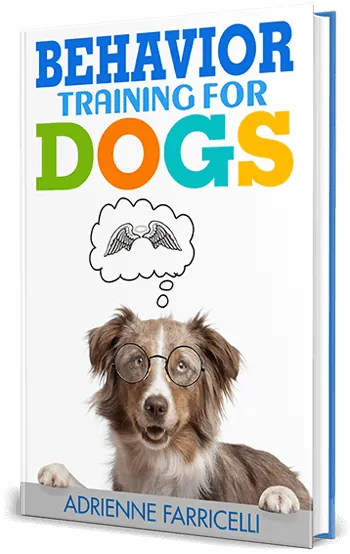
We publish this site independently and stand behind the guidance on it. It is not the official Brain Training for Dogs website, and we are not Adrienne Farricelli or her team. Some links here are affiliate links: if you buy through them we may earn a commission at no extra cost to you, and that never changes what we recommend. See our affiliate disclosure.
Quick answer
Over-excited biting happens when a puppy cannot regulate itself, most often when overtired, after rough play, or during exciting events like children arriving. Prevent it with a firm nap schedule, calm greetings and short play bursts. When it starts, stop moving, lower your voice, and guide the puppy to a quiet pen or crate with a chew so it can sleep.
Recognise over-arousal
Over-aroused biting looks different from ordinary play mouthing: the puppy is fast, jumpy, hard to interrupt, may bark or growl in a high pitch, bites harder than usual, and does not respond to a toy. It often follows a pattern, appearing at the same times each day. This is a puppy that has tipped over its threshold and cannot think clearly.
The evening witching hour
Many puppies have a daily peak of wild behaviour in the early evening. It usually means the puppy is exhausted but too wound up to settle on its own. The most effective response is to help it sleep: put it in a pen or covered crate with a safe chew, keep the room calm, and let it crash. Owners are often amazed how fast the biting stops once the puppy is asleep.
Prevention
- Schedule naps. Aim for a nap after every 45 to 90 minutes of activity for a young puppy. Do not wait for the meltdown.
- Keep play short. Two or three minute bursts with pauses, ending before the puppy peaks.
- Calm greetings. Ask visitors and children to ignore the puppy until it is settled, then greet quietly and low down.
- Wind-down routine. A stuffed frozen toy or a scatter feed on a mat before predictable busy periods gives the puppy a calm activity.
- Avoid rough or chase games in the hour before the usual meltdown time.
In the moment
- Stop moving. Pull your hands and feet in and become boring.
- Drop your voice and slow everything down. Do not chase, wrestle or squeal.
- If the puppy is on a house line, calmly guide it to its pen or crate.
- Give a chew and let it settle. Do not treat this as a punishment; it is nap support.
- Once calm or asleep, the episode is over. Resume normally later.
Zoomies with biting
Bursts of racing around, sometimes called the zoomies, are normal and healthy. If they come with grabbing at people, move the puppy to a safe, clear space (garden or hallway), stand still, and let the burst run its course. Then offer water and a rest.
When to get help
If over-arousal biting is frequent, escalating, leaving marks, or you cannot find a nap and management routine that reduces it within a few weeks, book a reward-based behaviourist. Persistent inability to settle can sometimes need a proper behaviour plan.
Want the games mapped out for you?
Brain Training for Dogs organises reward-based mental exercises and obedience training into difficulty levels, with troubleshooting for each step. Check the current offer for format, contents and guarantee terms.
Affiliate link. We may earn a commission at no additional cost to you.
FAQ
Related guides
- How to stop puppy biting
- When do puppies stop biting?
- How to calm an overexcited dog
- How to calm a hyper dog
References
- Scott JP, Fuller JL (1965). Genetics and the Social Behavior of the Dog. University of Chicago Press.
- Kutsumi A, Nagasawa M, Ohta M, Ohtani N (2013). Importance of puppy training for future behavior of the dog. Journal of Veterinary Medical Science 75(2), 141–149. View source
- González-Martínez Á, Martínez MF, Rosado B, et al. (2019). Association between puppy classes and adulthood behavior of the dog. Journal of Veterinary Behavior 32, 36–41. View source
- Reisner IR, Shofer FS, Nance ML (2007). Behavioral assessment of child-directed canine aggression. Injury Prevention 13(5), 348–351.
- Appleby DL, Bradshaw JWS, Casey RA (2002). Relationship between aggressive and avoidance behaviour by dogs and their experience in the first six months of life. Veterinary Record 150(14), 434–438.
- Serpell J, Jagoe JA (1995). Early experience and the development of behaviour. In: Serpell J (ed.) The Domestic Dog: Its Evolution, Behaviour and Interactions with People. Cambridge University Press.
- American Veterinary Society of Animal Behavior (2008). Position Statement on Puppy Socialization. View source
- American Academy of Pediatrics / American Veterinary Medical Association. Dog bite prevention: guidance for families with children. View source
- Ziv G (2017). The effects of using aversive training methods in dogs: a review. Journal of Veterinary Behavior 19, 50–60.
- Vieira de Castro AC, Fuchs D, Morello GM, Pastur S, de Sousa L, Olsson IAS (2020). Does training method matter? Evidence for the negative impact of aversive-based methods on companion dog welfare. PLOS ONE 15(12), e0225023.
- Herron ME, Shofer FS, Reisner IR (2009). Survey of the use and outcome of confrontational and non-confrontational training methods in client-owned dogs showing undesired behaviors. Applied Animal Behaviour Science 117, 47–54.
- American Veterinary Society of Animal Behavior (2021). Position Statement on Humane Dog Training. View source
These references describe dogs and training in general. They are not evidence about any specific commercial program. This page is general information, not a substitute for individualised veterinary or behaviour advice. Last reviewed: 30 August 2026.