
Stopping an Older Dog From Biting
An adult dog that still mouths hands in play usually has a rehearsed habit from puppyhood. An adult dog that has recently started biting needs a vet check and a proper assessment first.
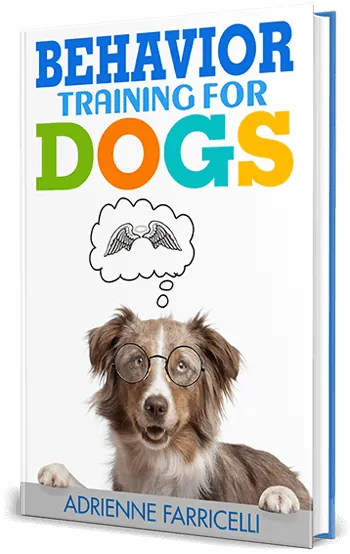
We publish this site independently and stand behind the guidance on it. It is not the official Brain Training for Dogs website, and we are not Adrienne Farricelli or her team. Some links here are affiliate links: if you buy through them we may earn a commission at no extra cost to you, and that never changes what we recommend. See our affiliate disclosure.
Quick answer
If your adult dog has always been mouthy in play, treat it as an untrained habit: cut out rough hand games, redirect onto toys, reward calm contact, and end interaction instantly when teeth touch skin. If biting is new, escalating, or comes with stiffness, growling or guarding, see your vet to rule out pain and then a qualified reward-based behaviourist. Do not use physical punishment.
First, which situation are you in?
Lifelong play mouthing
Some dogs reach adulthood still putting their mouths on hands during fuss and games because nobody taught them not to as puppies, or because rough hand-wrestling rewarded it. The dog is friendly and loose-bodied; the mouthing is soft to moderate and stops when you disengage. This is a training issue.
New or changing biting
A dog that suddenly starts to nip, snap or bite, or whose biting is getting harder or more frequent, is telling you something. Pain, illness, fear, frustration and resource guarding are common drivers. This needs a vet visit and, in most cases, a behaviourist. Do not work through it with the habit-breaking steps below.
Retraining a lifelong mouthing habit
- End rough hand play. No wrestling, no shoving, no letting the dog chase your hands. Replace with tug on a long toy, fetch, scatter feeds and training games.
- Redirect early. Keep toys where you interact with the dog. Offer a toy before you stroke or greet, so the mouth has a target.
- Mark and pay a soft mouth. Reward calm contact with no teeth, little and often, so the dog learns what earns attention.
- Instant, boring consequence for teeth. The moment you feel teeth, a quiet "oops", withdraw attention, and pause for ten to twenty seconds. Consistency from everyone is what makes this work.
- Lower arousal. Keep greetings and play calm and short. An over-excited adult dog mouths more.
- Meet needs. Enough exercise, sniffing and mental work reduces attention-seeking mouthing.
Expect this to take several weeks because you are overwriting a long-standing pattern. It is very doable with a consistent household.
Why punishment backfires
Smacking, muzzle-grabbing, alpha rolls, and shock or prong tools raise the risk of a defensive bite, damage your relationship, and can turn a harmless play habit into fear-based aggression. Reward-based methods are both safer and more effective for this.
Safety while you get help
- Avoid the situations that produce biting.
- Introduce a muzzle using positive conditioning if a professional advises it.
- Keep a log of every incident: time, place, people, triggers, what happened before and after.
- Manage around children and visitors with gates and leads.
When to get professional help
Any new-onset biting, any bite that breaks skin, any growling or stiffness over food, toys, space or handling, and any case that does not improve with consistent training all warrant a vet check plus a certified, reward-based behaviourist who can assess in person.
Want the games mapped out for you?
Brain Training for Dogs organises reward-based mental exercises and obedience training into difficulty levels, with troubleshooting for each step. Check the current offer for format, contents and guarantee terms.
Affiliate link. We may earn a commission at no additional cost to you.
FAQ
Related guides
- Tell play from aggression
- Dog behaviour problems
- Dog training without punishment
- How to improve dog behaviour
References
- Scott JP, Fuller JL (1965). Genetics and the Social Behavior of the Dog. University of Chicago Press.
- Kutsumi A, Nagasawa M, Ohta M, Ohtani N (2013). Importance of puppy training for future behavior of the dog. Journal of Veterinary Medical Science 75(2), 141–149. View source
- González-Martínez Á, Martínez MF, Rosado B, et al. (2019). Association between puppy classes and adulthood behavior of the dog. Journal of Veterinary Behavior 32, 36–41. View source
- Reisner IR, Shofer FS, Nance ML (2007). Behavioral assessment of child-directed canine aggression. Injury Prevention 13(5), 348–351.
- Appleby DL, Bradshaw JWS, Casey RA (2002). Relationship between aggressive and avoidance behaviour by dogs and their experience in the first six months of life. Veterinary Record 150(14), 434–438.
- Serpell J, Jagoe JA (1995). Early experience and the development of behaviour. In: Serpell J (ed.) The Domestic Dog: Its Evolution, Behaviour and Interactions with People. Cambridge University Press.
- American Veterinary Society of Animal Behavior (2008). Position Statement on Puppy Socialization. View source
- American Academy of Pediatrics / American Veterinary Medical Association. Dog bite prevention: guidance for families with children. View source
- Ziv G (2017). The effects of using aversive training methods in dogs: a review. Journal of Veterinary Behavior 19, 50–60.
- Vieira de Castro AC, Fuchs D, Morello GM, Pastur S, de Sousa L, Olsson IAS (2020). Does training method matter? Evidence for the negative impact of aversive-based methods on companion dog welfare. PLOS ONE 15(12), e0225023.
- Herron ME, Shofer FS, Reisner IR (2009). Survey of the use and outcome of confrontational and non-confrontational training methods in client-owned dogs showing undesired behaviors. Applied Animal Behaviour Science 117, 47–54.
- American Veterinary Society of Animal Behavior (2021). Position Statement on Humane Dog Training. View source
These references describe dogs and training in general. They are not evidence about any specific commercial program. This page is general information, not a substitute for individualised veterinary or behaviour advice. Last reviewed: 30 August 2026.