
Puppy Biting Children
Puppies bite children more than adults because kids move fast, sound high-pitched and are the perfect height for grabbing. This is normal play, but it needs firm management so nobody gets hurt and no bad habits form.
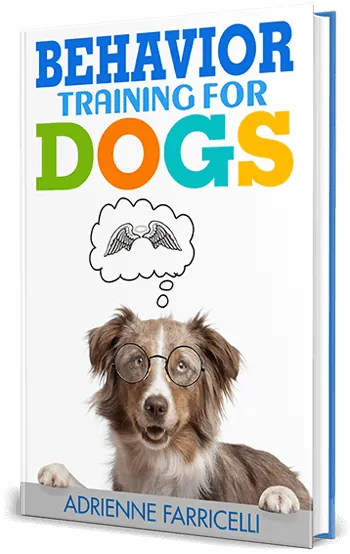
We publish this site independently and stand behind the guidance on it. It is not the official Brain Training for Dogs website, and we are not Adrienne Farricelli or her team. Some links here are affiliate links: if you buy through them we may earn a commission at no extra cost to you, and that never changes what we recommend. See our affiliate disclosure.
Quick answer
Manage first: use baby gates and pens so the puppy and young children are only together under close adult supervision. Teach children to be still and boring, not to run or squeal, and to drop a toy rather than pull away. Redirect the puppy onto toys, reward calm, and give it plenty of sleep. Never leave a puppy and a young child alone together.
Why children get bitten more
Fast movement, flapping hands, high voices and unpredictable behaviour all trigger a puppy's chase-and-grab play. Children are also at mouth height and may unintentionally reward biting by shrieking or running, which to a puppy looks like an exciting game. None of this means the puppy dislikes the child.
Management comes first
- Physical barriers: baby gates, playpens and closed doors so time together is always chosen and supervised, never accidental.
- Never alone together: a puppy and a child under about seven should never be unsupervised, even briefly.
- Safe zones for both: the puppy gets a pen or crate where children never follow; the children get furniture or a room the puppy cannot reach.
- Calm rooms: most bites happen during high-energy play, so steer that outdoors or into structured games.
What to teach the children
Keep the rules simple and few:
- Be a tree: if the puppy gets mouthy, stop moving, fold your arms, look away and stay quiet until an adult helps.
- No running or screaming near the puppy. Walk calmly.
- Trade, do not tug: if the puppy grabs a sleeve, drop a toy rather than pulling away.
- Gentle strokes on the chest, not the face or tail, and only when an adult says it is okay.
- Let sleeping puppies lie. Never disturb the puppy in its bed or crate.
Praise and reward the children for following the rules, just as you would the puppy.
What the adults do
- Keep a toy or chew handy to redirect the puppy before it targets a child.
- Use a house line (supervised) so you can guide the puppy away calmly without grabbing its collar.
- When teeth touch a child, calmly end the interaction: lead the puppy behind a gate for a short pause with a chew, then reset.
- Protect the puppy's sleep. Overtired puppies bite children hardest, often in the early evening.
- Run structured games and sniffing walks so the puppy is not biting out of boredom or pent-up energy.
What not to do
Do not punish the puppy physically or shout. It raises arousal and fear and can make biting worse or, over time, create a puppy that is genuinely wary of children. Do not force interactions to make the puppy get used to it.
When to get help
Contact your vet and a qualified reward-based behaviourist promptly if the puppy stiffens, freezes or growls low and hard at a child, guards food or objects from children, or if bites are breaking skin. Also seek help if a child in the home is frightened. Early, humane intervention gives the best outcome.
Want the games mapped out for you?
Brain Training for Dogs organises reward-based mental exercises and obedience training into difficulty levels, with troubleshooting for each step. Check the current offer for format, contents and guarantee terms.
Affiliate link. We may earn a commission at no additional cost to you.
FAQ
Related guides
- How to stop puppy biting
- Puppy biting when excited or tired
- How to stop dog jumping on people
- Tell play from aggression
References
- Scott JP, Fuller JL (1965). Genetics and the Social Behavior of the Dog. University of Chicago Press.
- Kutsumi A, Nagasawa M, Ohta M, Ohtani N (2013). Importance of puppy training for future behavior of the dog. Journal of Veterinary Medical Science 75(2), 141–149. View source
- González-Martínez Á, Martínez MF, Rosado B, et al. (2019). Association between puppy classes and adulthood behavior of the dog. Journal of Veterinary Behavior 32, 36–41. View source
- Reisner IR, Shofer FS, Nance ML (2007). Behavioral assessment of child-directed canine aggression. Injury Prevention 13(5), 348–351.
- Appleby DL, Bradshaw JWS, Casey RA (2002). Relationship between aggressive and avoidance behaviour by dogs and their experience in the first six months of life. Veterinary Record 150(14), 434–438.
- Serpell J, Jagoe JA (1995). Early experience and the development of behaviour. In: Serpell J (ed.) The Domestic Dog: Its Evolution, Behaviour and Interactions with People. Cambridge University Press.
- American Veterinary Society of Animal Behavior (2008). Position Statement on Puppy Socialization. View source
- American Academy of Pediatrics / American Veterinary Medical Association. Dog bite prevention: guidance for families with children. View source
- Ziv G (2017). The effects of using aversive training methods in dogs: a review. Journal of Veterinary Behavior 19, 50–60.
- Vieira de Castro AC, Fuchs D, Morello GM, Pastur S, de Sousa L, Olsson IAS (2020). Does training method matter? Evidence for the negative impact of aversive-based methods on companion dog welfare. PLOS ONE 15(12), e0225023.
- Herron ME, Shofer FS, Reisner IR (2009). Survey of the use and outcome of confrontational and non-confrontational training methods in client-owned dogs showing undesired behaviors. Applied Animal Behaviour Science 117, 47–54.
- American Veterinary Society of Animal Behavior (2021). Position Statement on Humane Dog Training. View source
These references describe dogs and training in general. They are not evidence about any specific commercial program. This page is general information, not a substitute for individualised veterinary or behaviour advice. Last reviewed: 30 August 2026.